A pale, near-empty shelf holding a single stack of books in soft morning light

Minimalism & slow living

Own less, and mean it

Essays on emptying the shelf and keeping only what earns its place — decluttering without the drama, one-in-one-out, digital minimalism, and the quiet relief of deciding that what you have is enough.

Latest

Recent essays

Every essay published, newest first — slow reading on decluttering, intentional spending, and the practice of keeping less.

How we practice less

Fewer things, chosen slowly

Minimalism here is not empty white rooms or throwing everything away in a weekend. It is a handful of small, repeatable habits that quietly lower the noise. These are the ideas the essays keep returning to.

One in, one out

Nothing new crosses the threshold until something old leaves to make room for it. A single rule, applied to the wardrobe, the bookshelf, and the kitchen drawer, keeps a home from silently filling back up the moment you stop paying attention.

Digital minimalism

A tidy home means little if the phone is a slot machine. We prune apps, mute the endless feeds, and turn off the notifications that were only ever designed to pull us back. Attention is the one thing you can never buy more of.

Declutter in seasons

No frantic purge, no rented dumpster. One shelf, one drawer, one category at a time, revisited gently as the year turns. Slow decluttering is the kind that actually holds, because you learn why each thing arrived before you decide to let it go.

A capsule wardrobe

A small set of clothes you genuinely like, that fit the life you actually lead and quietly agree with one another. Fewer choices each morning, less laundry, and a closet you can see into — the opposite of a rail crammed with almost-rights.

Single-tasking

One thing at a time, given its full and undivided attention. A slow morning coffee with nothing else in hand. Doing less at once turns out to be how the day gets both quieter and, strangely, more finished by evening.

Enough is a number

Intentional spending starts with naming the point at which more stops helping. Once you decide what enough looks like — of clothes, of gadgets, of square footage — most purchases answer themselves, and the wanting grows quieter too.

A room that breathes

What less actually looks like

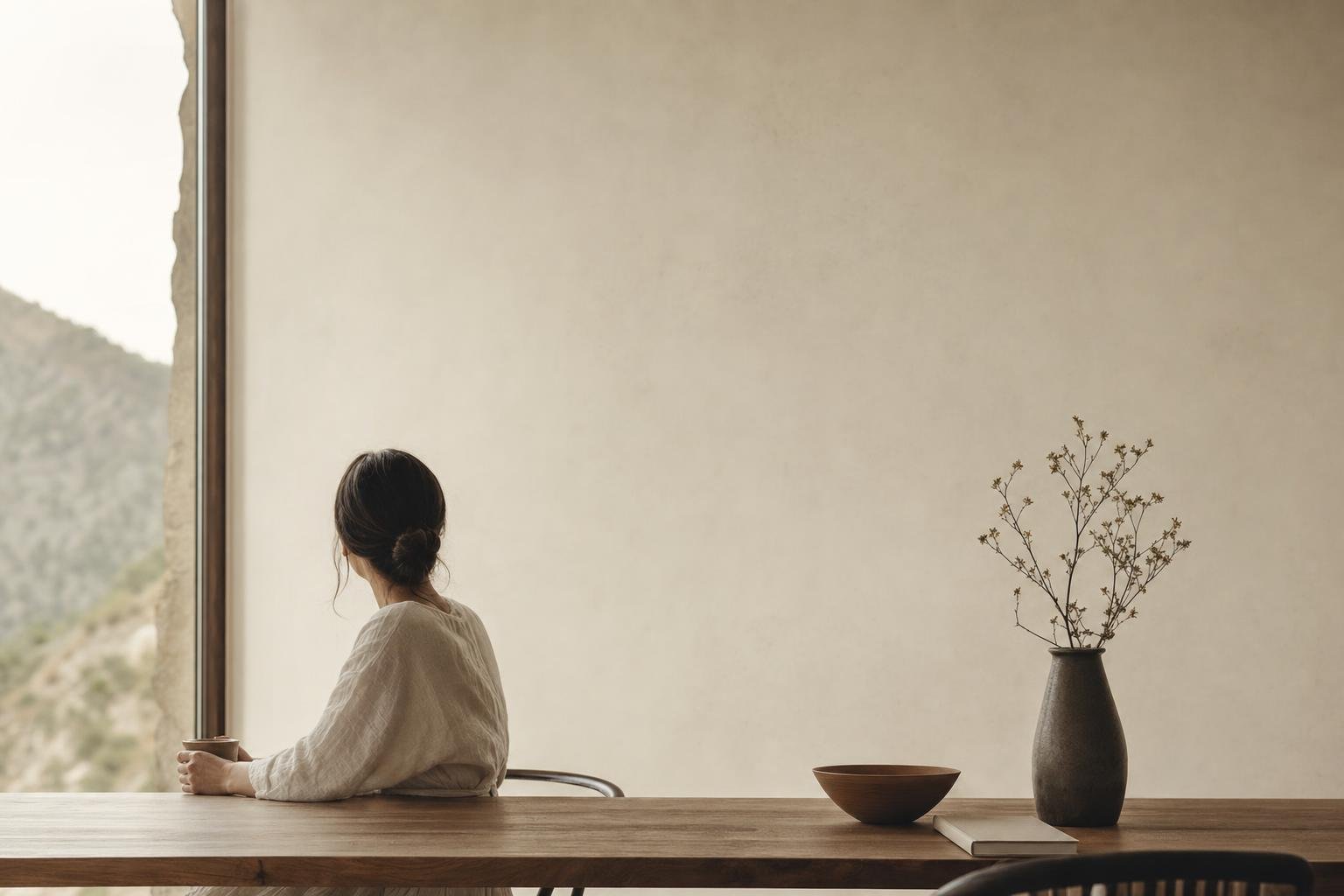
Not a showroom, and not empty for its own sake. Just enough clear surface to think on, and a shelf you can take in at a glance. A couple of corners from a home that stopped filling up.

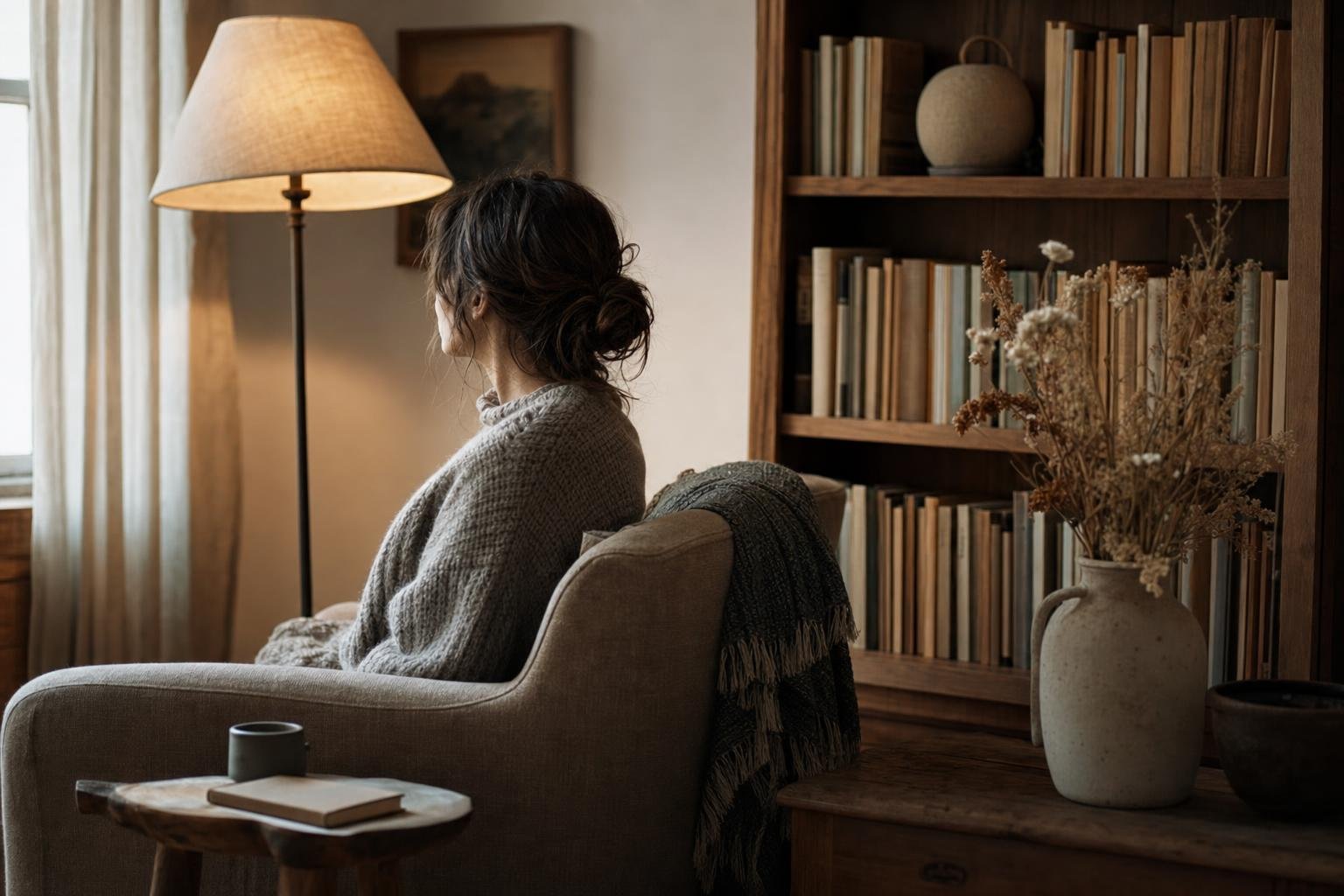
A pared-back reading corner with a low shelf of a few well-kept books
The reading corner, down to the books that actually get reread. Everything else was passed on to someone who would open it more often than we did.
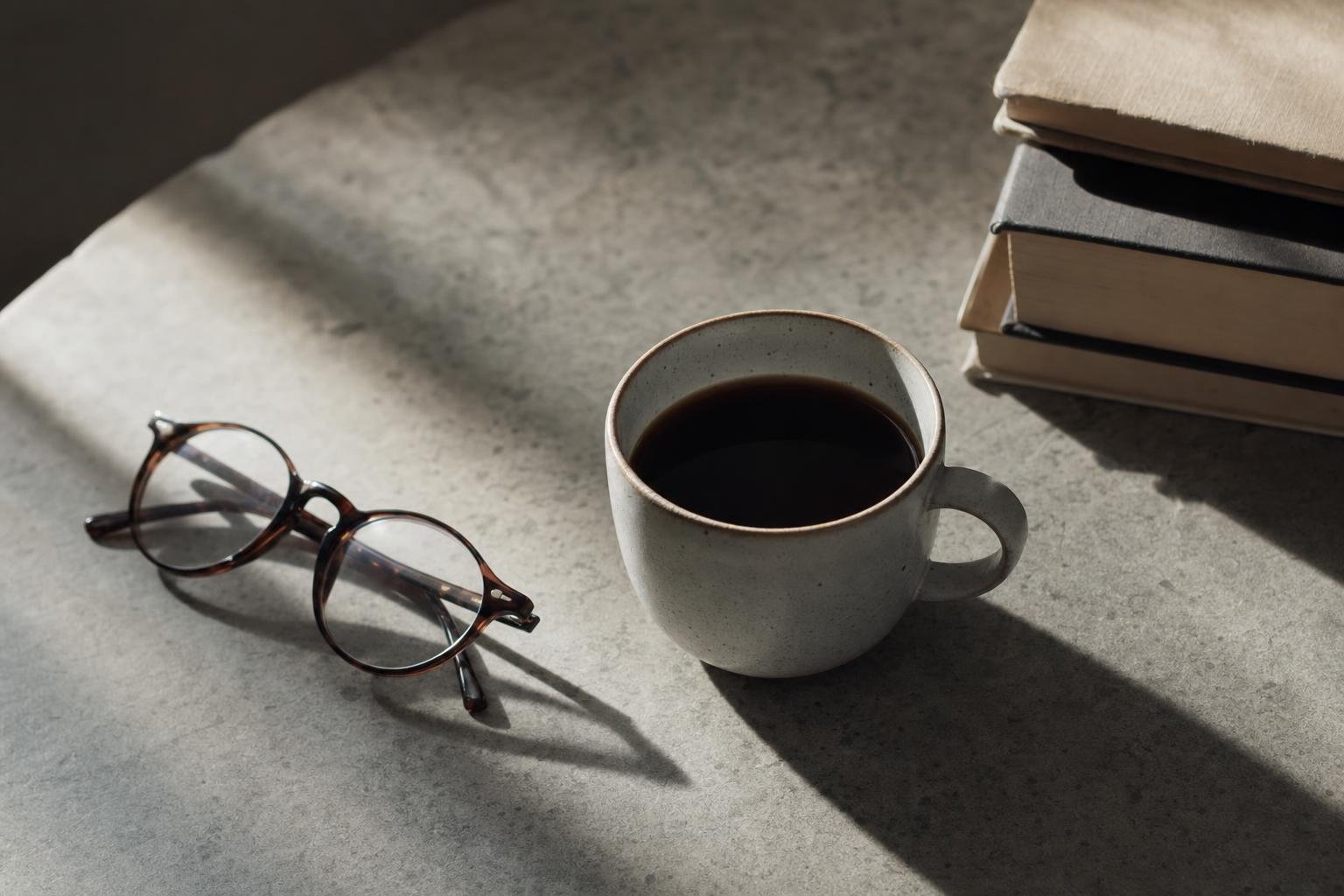
A single cup of coffee on a clear wooden table with nothing else on it
One cup, one clear table, nothing else competing for the moment. Single-tasking made tangible — and, it turns out, the best part of the morning.

People imagine minimalism as a stark, empty apartment, and then decide it looks cold and not for them. But an emptier room is only the visible side effect. The real change is quieter: fewer decisions in the morning, less to clean on a Sunday, and a home that no longer asks anything of you the moment you walk through the door.

It rarely arrives in a single weekend purge. Those tend to rebound within a month, because the habits that filled the house are still running underneath. What lasts is slower — one drawer emptied properly, one delivery not placed, one category understood well enough that new clutter simply stops finding its way in.

So this is less a set of rules than a direction to keep leaning in. Own a little less than last season. Buy a little more deliberately. Notice when enough has quietly been reached, and resist the pull to keep going past it. The essays here are just that same small practice, written down as it happens.
Questions

A few common ones

Not really. Getting rid of the excess is the easy, visible first step, but the point is what comes after — buying more slowly, keeping what earns its place, and noticing when you already have enough. An empty shelf you refill within a month hasn’t changed anything.

One quiet essay a month, by email

No feed to keep up with. Once a month, a single unhurried essay on owning less and living slower lands in your inbox — the newsletter, gathered and sent from the editor. Write the next one, or read back through the shelf whenever a spare, quiet moment turns up.